Health and Safety Policy for Cleaners Fulham
 This health and safety policy sets out the standards, responsibilities, and working practices required to protect everyone involved in cleaning services in Fulham. It applies to all routine cleaning, deep cleaning, specialist cleaning, and one-off maintenance tasks carried out in domestic, commercial, and shared environments. The aim is to reduce risk, promote safe behaviour, and ensure every cleaner understands how to work responsibly, efficiently, and with care. Safety is not an optional extra; it is a core part of professional cleaning.
Purpose and Commitment
The purpose of this policy is to create a safe working environment by identifying hazards, controlling risks, and encouraging consistent safe practice. It supports the wellbeing of cleaners, clients, occupants, and any other people who may be present during cleaning activities. As part of our commitment, we expect all staff to follow approved procedures, use equipment correctly, and report concerns without delay. Cleaners Fulham services must always be delivered with due diligence and respect for health and safety standards.
All work should be planned in a way that minimises exposure to harm. This includes assessing the condition of the site, selecting suitable products, and confirming that equipment is safe to use. A clean workspace should never come at the expense of personal safety. Every task, whether small or large, requires attention to detail, sensible judgement, and consistent application of safe methods.
Responsibilities of the Cleaning Team
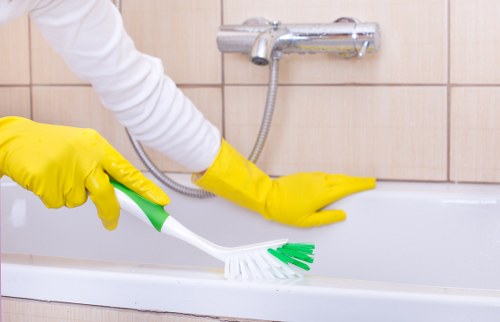 Every cleaner is responsible for taking reasonable care of their own health and safety and that of others. They must follow instructions, wear any required protective items, and stop work if a situation becomes unsafe. Supervisors and team leads are responsible for ensuring that cleaners are properly trained, equipped, and informed about relevant hazards. This includes communication about wet floors, fragile items, chemicals, electrical equipment, and restricted access areas.
Managers must ensure that risk assessments are completed where needed and that control measures are put in place before work begins. They should also check that all staff understand emergency procedures, safe lifting techniques, and correct handling methods. In addition, they should make sure that any incident, accident, or near miss is recorded and reviewed so that future risk can be reduced. A strong cleaning health and safety policy relies on shared responsibility at every level.
Training is essential. Cleaners should receive instruction on product labels, dilution ratios, storage requirements, and the correct use of tools and machinery. They should also understand how to identify unsafe conditions, such as damaged flooring, exposed wiring, or poor ventilation. When team members are confident in safe working methods, the quality of the cleaning service improves and the chance of harm is lowered.
Safe Use of Cleaning Products and Equipment
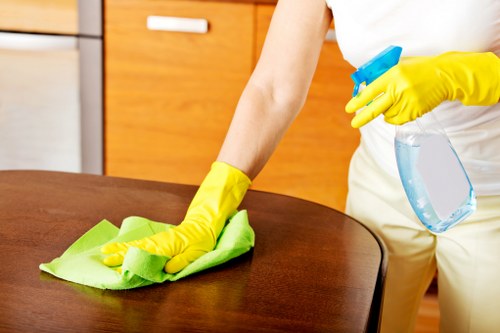 Cleaning products must be used only for their intended purpose and according to the manufacturer’s instructions. Strong chemicals should never be mixed unless explicitly approved, as this can create dangerous fumes or reactions. Where possible, cleaners should choose products with lower hazard profiles and ensure that rooms are ventilated during and after use. Personal protective equipment, such as gloves or eye protection, should be used whenever the task requires it.
Equipment Safety
All equipment should be inspected before use and maintained in good working order. Faulty vacuums, extension leads, mops, ladders, and steam cleaners can create avoidable risks if not checked properly. Cables should be positioned to prevent trips, and machines should be switched off before cleaning or moving them. Cleaners Fulham teams must never improvise with broken tools or ignore warning signs from equipment.
Manual handling is another important area. Lifting heavy bins, moving furniture, carrying supplies, and transporting equipment should be done carefully to avoid strain or injury. Where a task is too heavy or awkward, assistance should be requested. Workers should use good posture, bend the knees when lifting, and avoid sudden twisting movements. Safe techniques protect the body and help cleaners work more comfortably throughout the day.
Working Conditions and Risk Control
Cleaners may work in occupied premises, vacant properties, communal areas, and environments with different levels of risk. It is important to remain alert to the layout of each site, the presence of members of the public, and any special instructions from the client. Floors may be slippery, surfaces may be hot, and some areas may contain sharp or unstable objects. Good housekeeping helps reduce these risks by keeping walkways clear and tools organised.
Where cleaning takes place near electrical outlets or powered appliances, extra caution should be used. Water must be kept away from electrical items unless a safe method is approved. When working at height, only suitable access equipment should be used, and it must be stable and correctly positioned. No cleaner should stand on chairs, boxes, or other unsafe surfaces. The goal is always to complete the task without unnecessary exposure to danger.
Special attention should also be given to infection control, waste disposal, and personal hygiene. Gloves should be changed when contaminated, hands should be washed regularly, and waste should be separated according to site rules. If blood, bodily fluids, mould, or other hazardous contamination is found, the task may require additional controls or specialist handling. A responsible cleaning company in Fulham must always treat contamination seriously and respond with caution.
Accidents, Emergencies, and Reporting
All accidents, injuries, hazards, and near misses must be reported as soon as possible. Prompt reporting helps prevent repeat incidents and allows action to be taken quickly. If a serious incident occurs, the first priority is to make the area safe and provide appropriate assistance. Cleaners should know how to respond to slips, cuts, chemical splashes, fire alarms, and other emergencies relevant to the workplace.
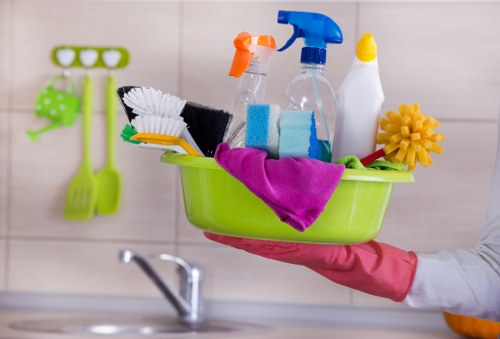 Emergency procedures should be explained during induction and reinforced through regular training. This includes knowing when to evacuate, how to contact the responsible person on site, and where to gather if an evacuation occurs. Clear communication is vital in a fast-moving situation. Calm action, rather than panic, helps protect everyone involved and supports an effective response.
Incident records should be reviewed to identify patterns and improve working practices. Where an issue is repeated, the risk controls should be updated. This may include changing equipment, revising schedules, improving training, or updating product choices. Continuous improvement is a key feature of a strong health and safety policy for cleaners.
Review and Ongoing Improvement
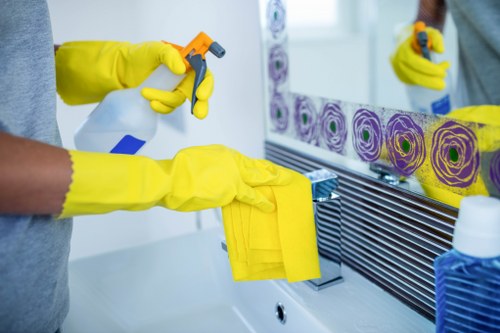 This policy should be reviewed regularly to ensure it remains suitable and effective. Changes in cleaning methods, equipment, products, and working environments may create new risks that need to be addressed. Feedback from supervisors and cleaners should be considered when reviewing procedures, but the policy itself should remain focused on prevention, compliance, and safe performance. Consistent standards help protect people and support reliable service delivery.
Ultimately, the success of this policy depends on a shared commitment to safe practice. By following procedures, reporting concerns, and treating every task with care, cleaners can reduce risk and maintain a professional working environment. Whether carrying out daily cleaning or more demanding assignments, the same principle applies: health and safety always comes first.