Communal Area Cleaning in Fulham
If you live, manage, or let property in Fulham, keeping shared spaces clean is about more than presentation. Communal entrances, hallways, stairwells, lifts, bin stores, and shared landings are the first areas residents, visitors, tenants, and contractors notice. A reliable Communal area Cleaning in Fulham service helps maintain a tidy, hygienic, and welcoming environment in flats, mansion blocks, purpose-built developments, converted houses, and mixed-use buildings across the area.
In a busy neighbourhood like Fulham, where properties range from riverside apartments and modern developments to Victorian terraces and converted period buildings, shared spaces see constant foot traffic. Mud from the street, dust from building work, handprints on glass, marks on bannisters, and general day-to-day wear can build up quickly. A local cleaning team that understands the pace of the area, the property mix, and the practical challenges of access can make a noticeable difference to residents and property managers alike.
Request a free quote or book your service now if you want a dependable cleaning arrangement tailored to your building’s size, schedule, and usage. Whether you need regular upkeep or support after heavier use, the right service helps shared areas stay safe, presentable, and comfortable for everyone using the building.
Why communal cleaning matters in Fulham
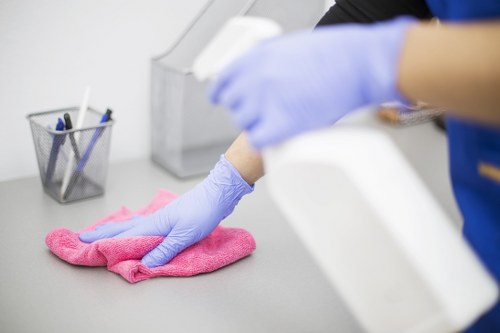
Shared areas are used every day by multiple households, so even light use can quickly create visible dirt and a feeling of neglect. In blocks of flats and converted properties around Fulham Broadway, Parsons Green, West Kensington, Sands End, and the roads leading toward Putney Bridge, residents often expect communal spaces to be well maintained. A clean entrance sets the tone for the entire building and contributes to a stronger sense of care and pride.
It also has practical benefits. Regular hallway and stair cleaning helps reduce the build-up of dust, debris, and grime, while careful attention to touchpoints such as handrails, door handles, switches, and lobby surfaces supports a more hygienic environment. For buildings with bins, cycle storage, or service access routes, consistent upkeep also helps control odours, litter, and the spread of mess from one shared zone to another.
For landlords, agents, resident management companies, and freeholders, communal cleaning can also reduce complaints and help buildings feel well managed. When residents see that the common parts are looked after, it often improves day-to-day satisfaction and can support the smooth running of the property.
What the service typically includes

Every building is different, which is why a good communal area cleaning service in Fulham should be flexible rather than rigid. Some blocks need a light but frequent visit, while others benefit from deeper periodic cleaning. The service can be arranged around resident use, cleaning frequency, and the layout of the property.
Typical tasks may include:
- Sweeping, vacuuming, and mopping of shared floors
- Dusting and wiping of skirting boards, ledges, and sills
- Cleaning entrance doors, glass panels, and internal glazing
- Wiping bannisters, handrails, push plates, and lift buttons
- Removing visible litter, cobwebs, and surface debris
- Cleaning communal notice boards and mailbox surrounds
- Maintaining stairwells, landings, corridors, and lobby areas
- Tidying bin rooms, bin enclosures, and access routes where included
Depending on the building, you may also want support with periodic deeper cleaning, such as machine scrubbing of floors, detailed edge cleaning, or attention to areas affected by seasonal dirt, renovation dust, or increased use during busy periods. A tailored approach means you pay for the work your property actually needs, rather than a one-size-fits-all visit.
Properties and customers we work with

Fulham has a broad mix of residential and commercial properties, and communal cleaning needs often vary depending on the type of building. A compact modern block near Fulham Reach may need regular lobby and lift cleaning, while a converted townhouse off New King’s Road may require careful cleaning of narrow staircases and shared entrance halls. Mansion blocks, estates, mixed-use premises, and small apartment buildings each have different cleaning priorities.
We commonly work with:
- Resident management companies
- Freeholders and landlords
- Block and estate managers
- Letting and estate agents
- Commercial building managers
- Housing associations and private developments
For commercial premises with shared entrances or customer-facing common parts, the same principles apply. Clean, well-kept communal areas help create a better impression for visitors and staff while making daily use more pleasant. Communal area cleaning in Fulham is therefore not just for blocks of flats; it can also support office buildings, serviced properties, and mixed-use sites where presentation matters.
Why local knowledge makes a difference

Choosing a local cleaning company matters because Fulham properties come with specific practical considerations. Parking can be limited, especially on busier residential roads and around central locations near Fulham Broadway or Parsons Green. Access arrangements may require careful coordination with concierge staff, keyholding procedures, timed entry slots, or resident notices. A local team is more likely to understand these realities and plan work around them efficiently.
Local knowledge also helps when dealing with different building styles. Victorian and Edwardian conversions may have delicate surfaces, narrow stairwells, and older finishes that need a careful approach. New-build developments may have glass, polished metal, or high-traffic lobby areas that show fingerprints and dust very quickly. Shared entrances in Fulham often combine practical use with a high standard of appearance, so the cleaner needs to adapt without causing disruption.
Another advantage of using a nearby team is responsiveness. If the building needs additional support after a burst pipe, hallway refurbishments, bad weather, or a heavy-moving day, a local company can usually react more quickly than a service travelling from farther away. That flexibility can be especially valuable for busy blocks and managed estates.
How communal cleaning works

The process should be straightforward and easy to manage. A reliable provider will usually begin by understanding the building layout, the shared spaces involved, the level of foot traffic, and any specific instructions from the property manager or residents’ representative. This can include frequency, preferred times of attendance, access procedures, and priority areas that need extra attention.
A typical service process may look like this:
- Initial discussion about the property and cleaning requirements
- Review of the communal areas, access points, and any special considerations
- Agreement on a cleaning schedule that suits the building
- Regular attendance with agreed tasks completed on each visit
- Ongoing adjustments if the building’s needs change over time
This type of arrangement is useful because it gives structure without being inflexible. If residents notice certain issues recurring, such as muddy footprints after rain or rubbish building up near the bin store, the cleaning plan can be adapted. That practical approach helps keep the standard consistent and avoids the common problem of shared areas drifting into poor condition between visits.
What a good cleaning plan should cover
When arranging communal area cleaning in Fulham, it helps to think beyond the most obvious surfaces. The best results usually come from a plan that covers the areas residents interact with most often and the places dirt tends to accumulate first. That includes entrances, staircases, corridors, lift interiors, shared glass, and bin storage spaces if they are part of the contract.
Depending on your property, a good plan may also include attention to:
- Communal mats and entrance flooring
- Intercom surrounds and panel faces
- Shared laundry rooms
- Internal windows and low-level glass
- Skirting edges and corners where dust collects
- Service corridors and back entrances
- Cycle storage access points
Attention to detail matters. Residents are quick to notice whether a cleaner has simply moved through a building or genuinely improved the shared environment. Marks on glass, dust on ledges, and debris on corners can make a space feel unkempt even if the floor has been swept. A consistent service should leave the communal parts looking cared for rather than just superficially tidy.
Helpful extras for managed buildings
In some buildings, the service can also be adapted to include one-off or periodic tasks that support the standard of the common parts. These might include post-works clean-ups after maintenance or refurbishment, seasonal deep cleans, or additional attention to areas that experience heavier use at particular times of year. This is especially useful in busy Fulham developments where residents come and go throughout the day.
Some properties also benefit from optional task lists for site-specific needs, such as polishing stainless steel in lobbies, more frequent glass cleaning near the entrance, or regular dust control in upper stairwells. If you are comparing providers, ask how flexible the service is and whether the cleaning plan can be tailored to your building rather than following a fixed template.
Benefits for residents and property managers
Good communal cleaning supports the everyday experience of everyone in the building. Residents want a space that feels safe, tidy, and welcoming. Managers want a property that is easier to oversee, with fewer complaints and a more professional appearance. Both groups benefit from a reliable routine that keeps shared areas under control.
Key benefits can include:
- A cleaner first impression for residents and visitors
- Improved hygiene in shared touchpoint areas
- Less build-up of dust, litter, and foot traffic marks
- Better presentation for viewings and inspections
- Reduced stress for managers handling resident concerns
- More consistent upkeep across the building
In a location like Fulham, where many properties are occupied by long-term residents, professionals, families, and tenants, expectations can be high. A well-maintained common area helps meet those expectations and can make a building feel settled and looked after. For rental properties, it also supports a more positive impression for prospective tenants when they arrive for viewings.
Preparation checklist before your first clean
To get the most from your service, it helps to prepare a few practical details in advance. This keeps the first visit efficient and ensures the cleaning team can work safely and without unnecessary delays. A little organisation at the start usually leads to a better long-term arrangement.
You may want to have the following ready:
- Confirmation of which areas are included in the clean
- Access arrangements, keyholding details, or entry instructions
- Any building rules about timings or quiet hours
- Information about alarms, security systems, or concierge procedures
- Notes on fragile surfaces, resident concerns, or areas to avoid
- The preferred communication route for updates or issues
If the building has recently undergone repairs, decorating, or refurbishment, it is helpful to mention that in advance. Dust from work can settle in unexpected places and may require extra attention during the first few visits. Likewise, if your property has recurring issues such as rainwater at entrances or excess dirt near bin areas, a cleaner can factor that into the routine.
Pricing factors for communal cleaning
While it is not helpful to guess exact costs without seeing the property, there are several factors that typically influence pricing. Understanding these can help you compare quotes fairly and choose a service that matches the real needs of your building.
Common pricing factors include:
- Size of the communal area
- Number of floors, staircases, or lifts
- Frequency of visits
- Level of cleaning required on each visit
- Whether bin stores, external paths, or cycle areas are included
- Access complexity and time needed to complete the work
- Whether the service includes periodic deeper cleaning
Buildings in Fulham can be deceptively varied. Two properties on the same road may have very different layouts, finishes, and traffic levels, so a quote should be based on the actual site rather than a rough guess. A clear assessment helps avoid surprise charges and makes it easier to choose a package that suits the residents or managing agent.
Why choose a local company for Fulham properties
There is real value in working with a company that already understands the area. Fulham has busy roads, resident parking controls, varied building types, and different expectations from block to block. A local provider is more likely to factor in the realities of access, transport, and scheduling from the outset, rather than treating each building as if it were identical.
Other reasons local customers often prefer a nearby provider include:
- Better understanding of Fulham’s property mix
- Faster turnaround for urgent or added visits
- More practical planning around parking and access
- Easier communication when cleaning needs change
- Greater familiarity with shared residential and mixed-use buildings
For many customers, the main goal is simple: a dependable service that quietly gets on with the job and keeps the building looking presentable. The best providers do exactly that, with minimal disruption to residents and a clear sense of responsibility for the standard of the shared areas.
Areas covered around Fulham
Communal cleaning needs vary across the wider Fulham area, and many properties also sit close to neighbouring districts. A local team may cover buildings near Fulham Broadway, Parsons Green, Sands End, Walham Green, West Kensington, Putney Bridge, and the streets running toward Chelsea Harbour and the surrounding residential pockets. Properties close to the river, busier high streets, or quieter side roads can all benefit from a tailored cleaning arrangement.
Because Fulham includes everything from compact apartment blocks to larger managed developments and converted houses, it is useful to choose a provider that can adapt to the building rather than force it into a fixed schedule. That local flexibility can be especially useful for properties near transport links, schools, shopping areas, or busier walking routes where dirt builds up more quickly.
Frequently asked questions
How often should communal areas be cleaned?
The right frequency depends on the size of the building, the number of residents, and how much foot traffic the shared areas receive. Some smaller properties may only need weekly visits, while busier blocks may require several cleans per week. A tailored schedule usually works better than a standard package.
Can you clean both indoor and outdoor shared spaces?
Yes, many communal cleaning arrangements can include both internal common parts and selected external areas, such as entrance steps, pathways, bin access points, or sheltered shared spaces. The exact scope should be agreed in advance so there is no confusion about what is included.
Do you work around residents and access restrictions?
Yes, good planning is essential in occupied buildings. Cleaning can usually be arranged around agreed access times, building rules, and resident preferences. This is particularly helpful in Fulham properties where parking, key access, or concierge arrangements may need to be taken into account.
What if the building needs extra cleaning after maintenance work?
That can often be arranged. After decorating, repair work, or other building maintenance, shared spaces may need additional attention to remove dust, marks, and residue. A flexible cleaning service can support one-off deeper cleans as well as regular upkeep.
Can the service be adjusted over time?
Yes. As occupancy changes, renovation work happens, or seasons change, the cleaning plan can often be reviewed. For example, winter may bring more wet-floor marks and debris, while summer may create more dust and higher use of common entrances. Regular review helps maintain the standard you want.
Is communal cleaning suitable for small converted buildings?
Absolutely. Smaller buildings often benefit just as much as larger ones, especially where residents share narrow staircases, entrance halls, or limited bin areas. In smaller conversions, attention to detail can make a big difference to how the building feels day to day.
What to look for when choosing a service
If you are comparing options for Communal area Cleaning in Fulham, focus on practical service quality rather than vague promises. A good provider should be able to explain how they work, what can be included, and how they deal with building-specific concerns. Clear communication, consistency, and a sensible cleaning plan matter more than flashy language.
Before you book, consider whether the provider can offer:
- A cleaning plan matched to your property type
- Clear communication about tasks and visit frequency
- Flexibility around access and building rules
- Coverage for the actual common parts you need maintained
- Reliable attendance and practical local knowledge
Ask for a site-specific quote rather than a broad estimate based only on the address. The more accurately the building is assessed, the better the service will fit the needs of the residents and management team. That is especially true in Fulham, where two similar-looking buildings can have very different cleaning requirements.
Book your communal area cleaning in Fulham
If your shared spaces need regular upkeep, a one-off refresh, or a more structured cleaning plan, now is a good time to take action. Clean communal areas improve day-to-day living, create a better impression, and help property managers keep standards under control. From entrance halls and stairwells to lifts, landings, and bin areas, the right service can make the whole building feel more cared for.
Contact us today to discuss your property, request a free quote, or arrange a cleaning schedule that suits your building in Fulham. Whether you manage a small conversion, a modern apartment block, or a larger mixed-use site, a reliable local service can help keep the common parts clean, tidy, and ready for everyday use.
Book your service now and put a practical cleaning plan in place for your communal areas. A well-maintained building starts with the spaces everyone shares.